In Loving Memory of My Mother, Rais Fatima Rizvi
Share, Comment, Like, and Subscribe to support Independent Journalism!
A Tribute by Adam Rizvi | Editor, The India Observer (TIO): Editor’s Note: This tribute was originally published in 2018. It has been updated on March 8, 2026, on the occasion of my mother’s death anniversary. Which is also International women’s Day!
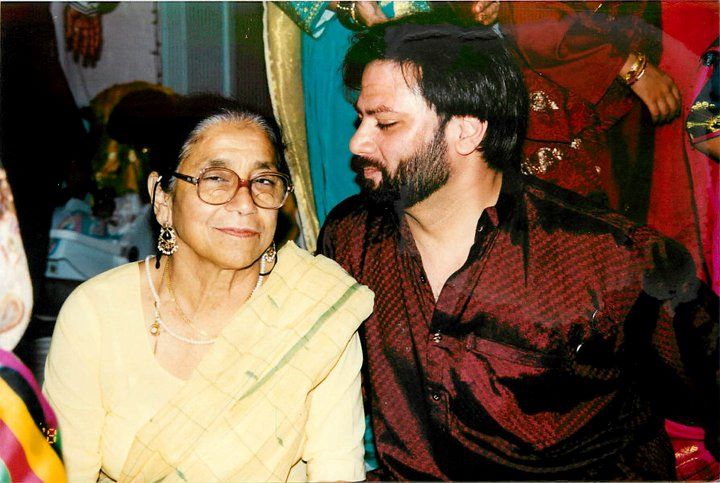
Every year on March 8, I spend some quiet moments standing beside the grave of a very special woman — my mother, Rais Fatima Rizvi. I am her youngest son, and I often feel that her spirit continues to live within me. In many ways, she has never truly left us.
My mother passed away on March 8 after a courageous battle with cancer. Yet I have always believed that those who live in the hearts of their loved ones never truly die.
Today I remember not only the pain of losing her, but also the remarkable life she lived — a life defined by generosity, discipline, courage, and devotion to family and community.
Dr. Kalbe Sadiq: The Man Who Walked the Talk
If I was able to do anything for her during her illness, it was never a sacrifice. It was simply a son’s duty and a blessing granted by God — a small attempt to repay a lifetime of love that can never truly be repaid.
Born on May 5, 1936, in Lucknow, India, my mother belonged to a traditional Shia Muslim family and was affectionately known as “Bari Beti,” the eldest daughter. From an early age she carried responsibility with dignity and strength.
She later served as a principal, teaching vocational skills to young girls and encouraging them to become independent. She believed strongly in empowering women long before such ideas became widely discussed.
Her compassion extended to the poor and the vulnerable. She frequently visited orphanages and spent time with children there, offering encouragement and affection. Helping others came naturally to her.
Record Audiences At Separate Venues For Two Historians In their 90s
My mother belonged to a generation of women who were often expected to remain confined to the home. Yet she quietly broke many barriers with dignity and determination.
She established R. F. Industries, a small but respected enterprise connected with the traditional Lucknowi Chikan embroidery, the delicate handwork for which Lucknow is famous.
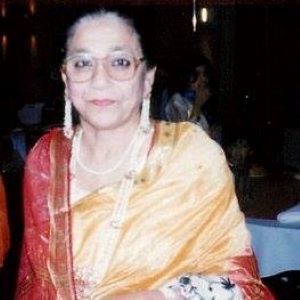
I still remember how dozens of women artisans would come to our home to collect threads, zari, and intricate designs prepared by my mother. The embroidery required extraordinary patience — sometimes taking weeks or even months to complete a single garment.
Once finished, the embroidered kurtas were carefully packed and purchased by well-known establishments such as Dua Cottage Emporium in Delhi.
Through this work she created employment opportunities for many women at a time when opportunities for them were limited. She believed that women should have dignity and independence while maintaining family values and cultural traditions.
Monday Musings: Is it immoral to live so long?
For the support and encouragement she received in pursuing her independence, I remain grateful to my father and his family.
My mother believed deeply that education was the greatest gift parents could give their children. She ensured that we studied at some of the finest schools available, including the historic La Martiniere institutions, known for their academic excellence and discipline.
Her vision was simple: she wanted her children to grow up confident, educated, and capable of standing proudly anywhere in the world.
She was also socially aware and connected with many influential people of her time, including individuals associated with the political circles of Indira Gandhi’s Congress era. Yet despite these connections, she remained humble and focused on helping others.
In 1983, she moved to the United States and brought with her the warmth, traditions, and cultural richness of Lucknow.
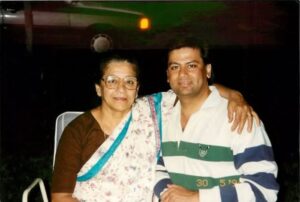
Many people were amazed at how quickly she adapted to life in America. She enrolled in English classes, learned to drive, and even studied at the Fashion Institute of Technology (FIT) in New York.
Obituary: Dr. Mirza Umair Beg: A Legacy of Science and Literature
Her curiosity about learning never faded. She learned how to use computers and even worked with Excel worksheets, continuing to explore new skills later in life. Our home in New Jersey became a place of warmth, hospitality, and lively gatherings.
She loved cooking the rich Awadhi cuisine of Lucknow, and her famous Qimami Sewaiyan, prepared with saffron during Eid, became beloved among friends and family.
Often she would pack small portions and send them to my business clients with little descriptions attached. For her, hospitality was simply another way of sharing love.
My mother believed strongly in discipline. She lived by the principle of early to rise and early to bed, and she approached every responsibility with dedication. I remember one night returning home very late and finding her standing quietly doing paperwork. I greeted her, had dinner, and went to sleep.
When I woke up early the next morning around 4:30 a.m. to pick up copies of the Star-Ledger newspaper for circulation — something she often accompanied me for — I noticed she was still standing there. I asked her, “Mommy, do you know it is already 4:30 in the morning?” She simply replied, “I wanted to finish this pending work.”
That longing for regime change
That was her nature — determined and focused until the task was completed.
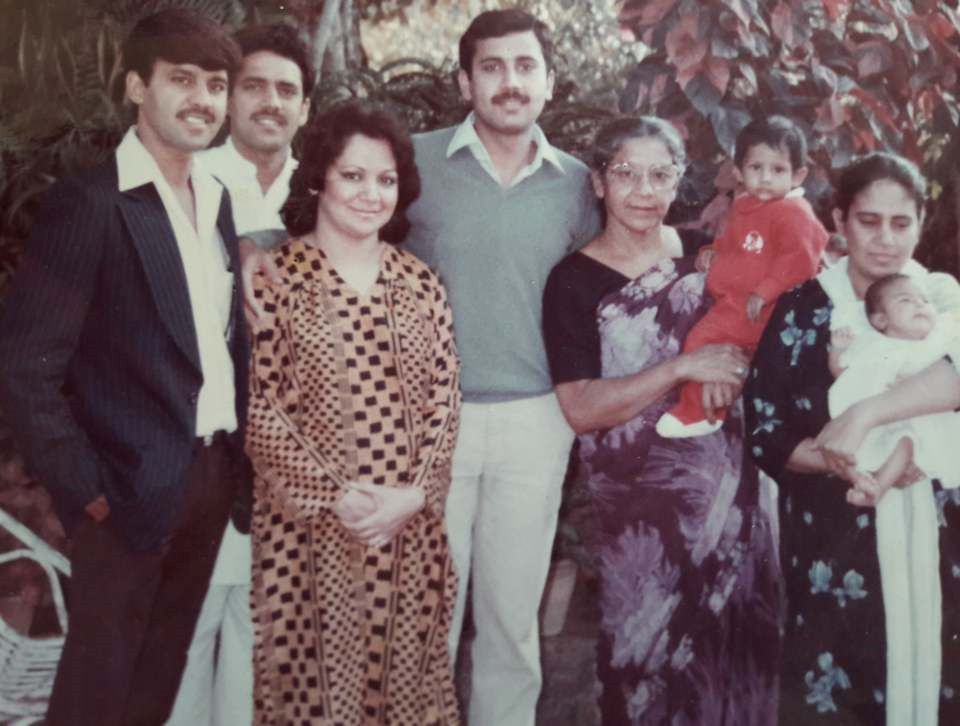
Although she could sometimes be strict with my father, her care and concern for him were always evident.
She would call me at my office and say, “Food is on the table, but your daddy and I had an argument and he has not eaten. When you come home, please make sure he eats.”
She would also personally drive him to hospital appointments and take care of his needs.
My late father, Syed Afzal Hussain Rizvi, was himself a deeply spiritual and humble man. Many of my childhood memories of him are of seeing him immersed in prayer. Often I had to wait patiently for him to complete his prayers before speaking with him.
He was a God-loving, generous, and gentle soul whose quiet faith left a lasting impression on our family. One day, I hope to write separately about his life and the lessons he taught us.
When my mother became seriously ill with cancer, my sister Sultana Rizvi and I tried our best to care for her. At that time I was running a successful travel agency located at 501 Fifth Avenue in New York, but during her illness my priority was simply being beside her. Many days and nights were spent at Memorial Sloan Kettering Hospital.
When doctors suggested hospice care, I could not accept the idea of sending her away. Instead, I brought her home and converted my bedroom into a hospital room with the necessary medical equipment.
I also moved my father into the same room so that neither of them would feel alone. Three beds stood there together.
My father would quietly observe everything during the day and later tell me what had happened — whether she had eaten properly, who had visited, whether she had walked by herself or needed help, and whether she had taken her medicines.
Those small conversations between father and son remain among my most precious memories.
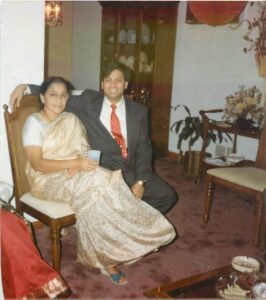
My mother always found joy in giving.
Raja of Mehmudabad: A legacy worth remembering.
One of the happiest moments for my parents was when they were able to perform Haj and Umrah, something they had long wished to do.
I also remember once traveling to Dubai when she asked me to bring gold chains with lockets inscribed with Ayat al-Kursi for my sisters and nieces. When I returned, she personally distributed them with great happiness.
That was her nature — always thinking of others first.
For her seven children and many grandchildren, my mother was an oasis of hope, strength, and unconditional love.
One regret that remains in my heart is that she did not live long enough to meet my daughters Alizah and Anum, and guide them with the warmth and wisdom that only a grandmother can provide. Even today, years after her passing, her memory continues to guide and inspire us.
She was a woman of few words, but her actions spoke loudly. Whether in India or in America, she was known as someone who would help others without question and without conditions.
The legacy of Shi’ism in India
If you have taken the time to read this remembrance, I humbly request one thing: cherish your parents and elders while they are with you. And if they are no longer here, please remember them with a brief prayer.
And when you do, I kindly ask you to remember my parents as well.
With prayers and gratitude,