
Iran–US Nuclear Talks Set for Friday in Muscat: FM
Share, Comment, Like, and Subscribe to support Independent Journalism!
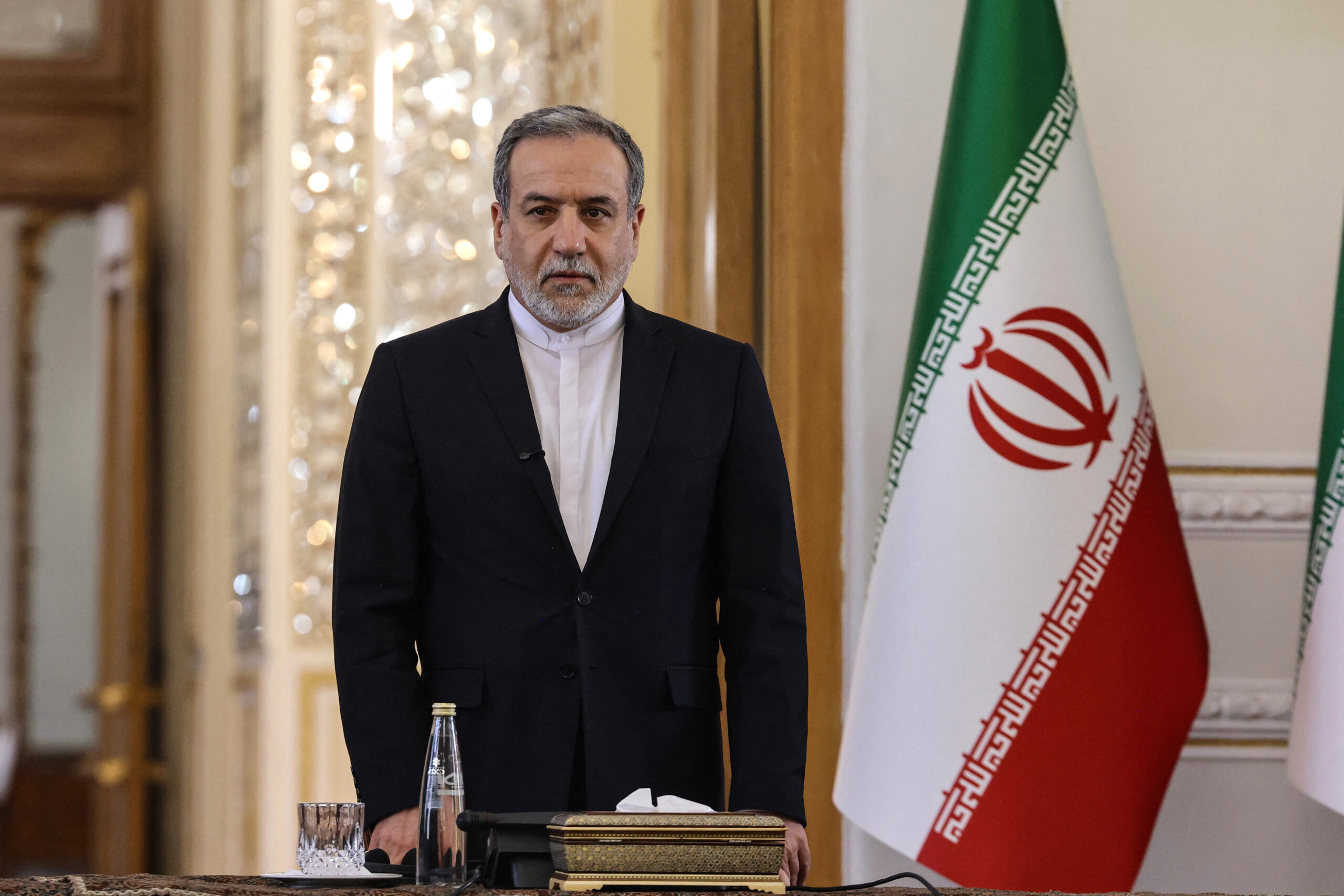
By Mehdi Moosvi | The India Observer (TIO): TEHRAN, IRAN —Iran’s Foreign Minister Abbas Araghchi announced that a new round of nuclear negotiations between Iran and the United States will be held Friday morning in Muscat, the capital of Oman, with talks scheduled to begin around 10 a.m. local time.
In a post on X, Araghchi thanked the Omani government for hosting the discussions and facilitating the arrangements.
“Nuclear talks with the United States are scheduled to be held in Muscat on about 10 am Friday. I’m grateful to our Omani brothers for making all necessary arrangements.”, Araghchi said in a post on X.
According to Iranian media, the negotiations will be limited strictly to Iran’s peaceful nuclear program and the removal of sanctions, with no plans to address other issues. The talks will be conducted indirectly, with Oman serving as the intermediary between the two sides.
Araghchi is expected to head the Iranian delegation, accompanied by senior diplomats Majid Takht-Ravanchi and Kazem Gharibabadi. The US delegation will be led by White House special envoy Steve Witkoff, reports said.
The upcoming meeting marks the resumption of a diplomatic process that was disrupted last year. The talks were originally scheduled to take place in Istanbul, but the venue was shifted to Muscat at Iran’s request. The format is expected to follow that of earlier rounds held prior to the US-Israeli war on Iran last June, which effectively halted negotiations.
Araghchi and Witkoff led five rounds of indirect talks in 2025, but the process was suspended after Israel launched what Iran described as an unprovoked attack just two days before a planned sixth round. The conflict, which later involved the United States, resulted in over a thousand deaths in Iran and caused extensive damage to civilian, military, and scientific facilities.
Iranian officials have consistently maintained that any engagement with Washington must remain confined to the nuclear file. Tehran has repeatedly ruled out discussions on its missile capabilities or regional policies, stressing that negotiations can only succeed in an environment free from threats, pressure, or what it terms illegal and unrealistic demands.
Senior Iranian figures have echoed this stance in recent weeks. Ali Shamkhani, a top advisor to the Leader of the Islamic Revolution Ayatollah Seyyed Ali Khamenei, has emphasized that mutual respect and realism are essential for progress in talks with the US.
The renewed diplomatic effort comes amid heightened tensions across West Asia and an expanded US military presence in the region. In early January, President Donald Trump issued warnings of military action against Iran, citing concerns over alleged threats to “peaceful protesters.”
Soon after, coordinated attacks struck police stations, military bases, civilians, and civilian infrastructure in several Iranian cities, prompting a security response by authorities. Iranian officials said the attacks were intended to cause mass casualties and destabilize urban areas as a prelude to renewed US aggression.
Since those developments, Iranian leaders have warned Washington and its allies against further escalation, stating that Iran’s military readiness now exceeds pre-war levels.
Share, comment, like, and subscribe to support independent journalism.
Email your press release or tip to mediaiss@gmail.com


