
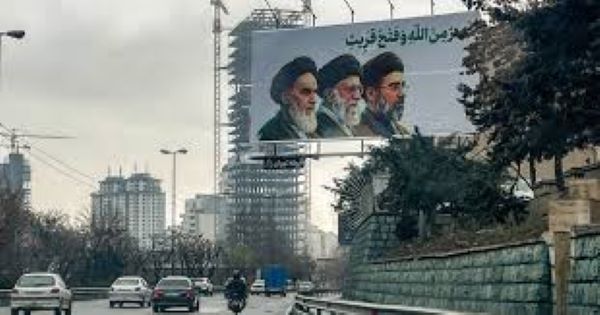
Iran Beyond the Headlines: Rethinking a Complex Geopolitical Narrative
Share, Comment, Like, and Subscribe to support Independent Journalism!
By Adam Rizvi | Editor, The India Observer (TIO): As global tensions involving Iran continue to dominate headlines, much of the public discourse is shaped by simplified narratives — often framed along religious or ethnic lines such as Shia versus Sunni, or East versus West. However, a closer examination suggests that these binaries may obscure a far more complex geopolitical reality.
This editorial by The India Observer is based on analysis originally published by veteran journalist Jawed Naqvi in Dawn, offering a broader perspective on the forces shaping the current situation.
Also Read: Has Iran Won? Why Did We Not See It Happen?
One of the central arguments highlighted in the original analysis is that reducing conflicts involving Iran to sectarian divisions risks oversimplifying the issue. Historical and political developments — particularly those rooted in 20th-century geopolitical shifts — continue to influence present-day tensions.
Events such as the establishment of Israel in 1948 and subsequent regional conflicts have had long-standing implications across the Middle East. These developments remain central to understanding alliances, grievances, and strategic positioning in the region today.
Also Read: Will Iran open the gates of Al Aqsa Mosque?
Modern global conflicts are often shaped by strategic interests, including access to natural resources, regional influence, and economic stability. Analysts frequently point to how countries rich in energy resources — including Iran — remain central to global power calculations.
At the same time, shifting global dynamics, including economic pressures and evolving alliances, continue to redefine how nations engage with one another. These broader considerations often extend beyond ideological or religious explanations.
Also Read: How will the Iran War come to an End?
The original analysis also reflects on how Iran’s international relationships — historically including connections with leaders such as Nelson Mandela and Fidel Castro — have contributed to its image as a nation positioning itself in opposition to dominant global power structures.
Such relationships, whether symbolic or strategic, highlight the role of ideology, sovereignty, and resistance narratives in shaping international perceptions.
For readers in the United States and the broader South Asian diaspora, understanding the Iran issue requires moving beyond headlines and examining the deeper structural forces at play.
Also Read: Nature and Direction of the Iran War
Geopolitical conflicts today are rarely driven by a single factor. Instead, they emerge from a complex mix of historical grievances, economic interests, political strategies, and global power competition.
Recognizing this complexity is essential for informed public discourse — especially in an era where narratives can often be shaped as much by perception as by reality.
At The India Observer, our goal is to bring nuanced, balanced perspectives to our readers. By engaging with diverse global viewpoints and adding contextual analysis, we aim to foster informed understanding rather than reinforce simplified narratives.
Also Read: For dealing with US, India needs to “look at the way Iran has handled it”: Saeed Naqvi
For more in-depth global analysis and community-focused journalism, visit The India Observer website.
Share this article with your network, comment with your views, and support independent journalism.
Email your press release or tip to editor@TheIndiaObserver.com — TIO covers news that matters.
Curated by Humra Kidwai


